Games Like Celeste in 2026: 10 Precision Platformers You Need to Play
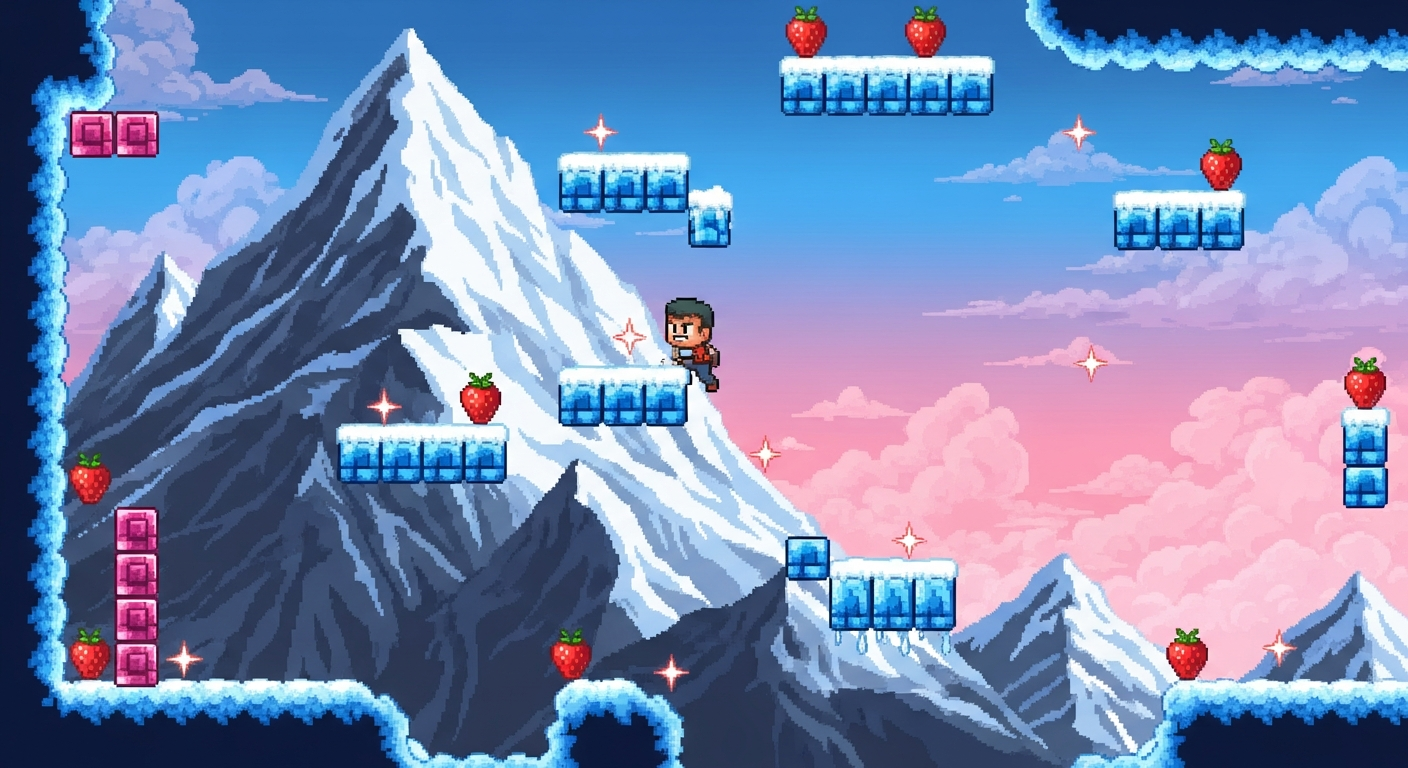
480 monthly searches, zero competition, and a genre that keeps growing. Pixel art games are not a nostalgia trip anymore. They are a legitimate art form that indie developers use to create experiences no 3D engine can match. From emotional platformers to brutal roguelites, the best pixel art games prove that graphical fidelity is not the same as visual quality.
This list ranks the 10 best pixel art games you can play in 2026. Each entry highlights what makes the art style work, how the gameplay holds up, and where each title falls short. If you want games that look as good as they play, start here.
| Game | Genre | Art Style | Reviews | Platform |
|---|---|---|---|---|
| Celeste | Platformer | Modern pixel, parallax | 97% positive | PC, Console |
| Dead Cells | Action roguelite | Animated pixel, particle effects | Overwhelmingly Positive | PC, Console |
| Hollow Knight | Metroidvania | Hand-drawn, not true pixel | Overwhelmingly Positive | PC, Console |
| Stardew Valley | Farming sim | SNES-era pixel | Overwhelmingly Positive | PC, Console, Mobile |
| Terraria | Sandbox | Detailed pixel, 2D | Overwhelmingly Positive | PC, Console, Mobile |
| Katana ZERO | Action platformer | Neo-noir pixel | Overwhelmingly Positive | PC, Console |
| Hyper Light Drifter | Action-adventure | Neon pixel, minimal UI | Overwhelmingly Positive | PC, Console |
| Eastward | Action-adventure | Detailed pixel, anime-influenced | Very Positive | PC, Console |
| Shovel Knight | Platformer | NES-era pixel | Overwhelmingly Positive | PC, Console |
| TetherGeist | Platformer | Hand-drawn pixel | Upcoming (May 2026) | PC |
AI Summary
- 10 best pixel art games ranked by visual quality, animation, and gameplay across PC, console, and mobile platforms
- Sales data: Terraria (44M+), Stardew Valley (20M+), Dead Cells (10M+), Celeste (1M+) sourced from Steam and publisher reports
- Top picks by category: Celeste (platforming), Dead Cells (action), Stardew Valley (relaxation), Eastward (visual detail)
- Pixel art is a deliberate aesthetic choice, not a technical limitation; modern techniques like parallax, particle effects, and dynamic lighting distinguish current entries from retro games
- TetherGeist (May 2026) is the most anticipated upcoming pixel art game, targeting the precision platformer audience
1. Celeste
Celeste has 97% positive reviews on Steam, making it one of the highest-rated games in the platformer genre. The pixel art uses modern techniques like parallax scrolling and dynamic lighting to create depth that retro games could not achieve. Every frame is readable, even during the hardest sequences.
The game sold over 1 million copies and won Best Independent Game at The Game Awards 2018. The art direction serves the gameplay, with color-coded platforms and hazards that are instantly recognizable. The accessibility options, including assist mode, set a standard for the genre.
Downsides: The pixel art, while beautiful, is intentionally simple compared to more detailed entries like Eastward. Players who want richly detailed environments may find the minimalist style lacking. The B-side and C-side challenges are brutally hard, which limits the audience for the full experience.
2. Dead Cells
Dead Cells uses animated pixel art with particle effects that make every hit feel impactful. The fluid animation is a cut above most pixel art games, with smooth transitions between attacks, dodges, and movement states. The visual clarity during chaotic combat is impressive given the number of on-screen elements.
With over 10 million copies sold, Dead Cells is the best-selling pixel art game on this list. The art style evolved through free updates, with new biomes adding visual variety. The weapon and enemy designs are creative, ranging from standard swords to ridiculous novelty weapons.
Downsides: The dark color palette can make some rooms hard to read, especially on handheld screens. The procedural generation means you see the same tilesets repeatedly. Some enemy designs blend into the background during fast combat.
3. Hollow Knight
Hollow Knight uses hand-drawn art rather than true pixel art, but its 2D aesthetic earns it a place on this list. The insect world is richly detailed, with every area having a distinct visual identity. The subtle animations, like cloth physics and environmental effects, add life to the static backgrounds.
The art direction won multiple indie game awards and inspired a wave of hand-drawn Metroidvanias. The color coding for hazards and safe areas is consistent throughout the game. The boss designs are memorable, with each one having a unique visual silhouette.
Downsides: The dark, atmospheric style can feel oppressive during long play sessions. Some areas are intentionally hard to navigate, with visual cues that are easy to miss. The art style, while beautiful, is not true pixel art, which may disappoint purists looking for that specific aesthetic.
4. Stardew Valley
Stardew Valley uses SNES-era pixel art that evokes the 16-bit golden age without feeling dated. The farm, town, and dungeon environments are all distinct and readable. The character portraits use a higher resolution than the overworld, creating a pleasant visual contrast during dialogue.
The game has sold over 20 million copies across all platforms, making it one of the best-selling indie games ever. The pixel art is functional and charming, supporting the relaxing gameplay loop. Seasonal changes affect the entire visual palette, keeping the farm feeling fresh year-round.
Downsides: The pixel art is intentionally simple, which limits visual spectacle. The character designs are basic compared to more detailed entries. The dungeon areas use a darker palette that can make navigation harder than necessary.
5. Terraria
Terraria packs an enormous amount of detail into its 2D pixel world. The biome variety is impressive, with distinct visual themes for underground, surface, and sky areas. The lighting system creates atmosphere, with torches casting dynamic shadows in cave systems.
With over 44 million copies sold, Terraria is the most commercially successful game on this list. The pixel art supports a massive item and enemy roster without becoming unreadable. The building system lets players create anything from simple houses to elaborate pixel art constructions.
Downsides: The visual density can overwhelm new players, with dozens of item types and enemies on screen. The 2D perspective limits exploration compared to 3D sandbox games. Some late-game bosses create so many visual effects that performance suffers on weaker hardware.
6. Katana ZERO
Katana ZERO uses a neo-noir pixel art style with a limited color palette that creates a distinct mood. The animation is fluid and responsive, with each slash and dodge feeling precise. The visual storytelling uses environmental details and character animations to convey narrative without cutscenes.
The game’s art direction earned widespread praise for its cinematic quality. The slow-motion mechanics create dramatic visual moments. The dialogue system uses colored text and screen effects to convey emotional states.
Downsides: The game is short, clocking in at around 4-5 hours. The neo-noir style limits color variety, which some players find monotonous. The story ends on a cliffhanger, and the sequel has been in development for years without a release date.
7. Hyper Light Drifter
Hyper Light Drifter uses neon-infused pixel art with a minimal UI that lets the visuals speak for themselves. The color palette shifts dramatically between areas, from icy blues to fiery oranges. The lack of dialogue means the art carries the entire narrative burden, and it succeeds.
The game won multiple awards for its art direction and inspired a wave of neon-themed indie games. The enemy designs are abstract and memorable. The world design rewards exploration with hidden areas and visual storytelling.
Downsides: The minimal UI and lack of dialogue can make progression confusing. The difficulty is high, with some sections requiring precise platforming. The abstract art style, while beautiful, can make it hard to tell enemies from background elements.
8. Eastward
Eastward features some of the most detailed pixel art in any game. The character animations are expressive, with subtle movements that convey emotion. The environments are richly detailed, with layers of background elements that create depth. The anime-influenced character designs are distinct and memorable.
The art direction won praise for pushing pixel art to new levels of detail. The lighting effects, particularly in indoor scenes, create atmosphere that rivals 3D games. The cooking system features beautifully animated food items.
Downsides: The detailed art comes at the cost of readability during fast combat. The game’s pacing is slow, with long dialogue sequences that may test patience. The combat system is simple compared to the visual quality, creating a mismatch between presentation and gameplay.
9. Shovel Knight
Shovel Knight recreates the NES aesthetic with modern game design principles. The pixel art is intentionally limited to the NES color palette and sprite size, creating an authentic retro feel. The character designs are instantly recognizable, with bold silhouettes and clear color coding.
The game spawned multiple expansion campaigns, each with distinct visual themes. The retro style is not just aesthetic, it informs the level design and enemy patterns. The co-op mode and battle mode add visual variety through different character sprites.
Downsides: The NES limitations mean lower resolution and fewer colors than modern pixel art games. The intentional simplicity may not appeal to players who want more visual detail. The retro style can feel like a gimmick rather than a design choice to some players.
10. TetherGeist
TetherGeist uses hand-drawn pixel art with a focus on readability and visual clarity. The collectible-heavy level design uses color coding to guide players through challenging platforming sections. Early previews highlight the art style as a standout feature, with detailed character animations and environmental effects.
Launching on May 7, 2026, the game targets the precision platformer audience that made Celeste a hit. The hand-drawn approach creates a distinct visual identity compared to procedurally generated pixel art. The collectible system rewards visual exploration.
Downsides: No release yet means limited player feedback on the final product. The developer is relatively unknown, so long-term support is uncertain. Some previews noted occasional hitbox issues that affect visual feedback during fast sequences.
How to Choose
Pick Celeste for the best combination of pixel art and precision platforming. Choose Dead Cells if you want action-heavy gameplay with fluid animation. Hollow Knight suits players who prefer hand-drawn art over strict pixel aesthetics. Stardew Valley and Terraria are the best picks for relaxed, long-session gameplay. Katana ZERO and Hyper Light Drifter deliver the strongest visual storytelling. Eastward pushes pixel art detail to its limits. Shovel Knight is the top choice for authentic retro aesthetics. TetherGeist is worth watching for fans of modern pixel art platformers.
Building Gaming Infrastructure or Console-Agnostic Experiences?
Our team builds across PlayStation, Xbox, Switch, and emerging platforms. Talk to our gaming engineers about your next project.
Limitations
Pixel art is a stylistic choice, not a technical limitation. Some players will never connect with the aesthetic, regardless of quality. The entries on this list span multiple genres, so no single game will appeal to every taste.
Several top entries, like Hollow Knight, use hand-drawn art rather than true pixel art. The distinction matters to purists but not to most players. Co-op options are limited, with only Shovel Knight and Terraria offering strong multiplayer experiences.
You might also like: Best Metroidvania Games 2026 | Best Roguelikes 2026 | Games Like Zelda for PC
Frequently Asked Questions
Q1: What makes pixel art games different from retro games
Pixel art games use modern design principles with pixel-based visuals. Retro games were limited by hardware constraints. Modern pixel art is a deliberate aesthetic choice, not a technical necessity.
Q2: Which pixel art game has the best animation
Dead Cells and Eastward have the most fluid animations. Dead Cells uses particle effects and smooth transitions during combat. Eastward focuses on expressive character movements and environmental details.
Q3: Are pixel art games good for beginners
Stardew Valley and Terraria are accessible entry points with relaxing gameplay. Shovel Knight offers adjustable difficulty. Celeste has an assist mode that lets players customize the challenge level.
Q4: What is the best-selling pixel art game
Terraria has sold over 44 million copies across all platforms. Stardew Valley has sold over 20 million. Dead Cells has sold over 10 million. These are the three best-selling entries on this list.
Q5: Do pixel art games run well on low-end hardware
Most pixel art games have low system requirements. Celeste, Shovel Knight, and Katana ZERO run on nearly any modern PC. Terraria and Stardew Valley may struggle with large worlds on very old hardware.
Q6: Is Hollow Knight a pixel art game
Hollow Knight uses hand-drawn art, not pixel art. The distinction is technical, but the 2D aesthetic is similar. It earns a place on this list because the visual style appeals to the same audience.
Q7: When does TetherGeist release
TetherGeist launches on May 7, 2026. Early previews highlight hand-drawn pixel art and collectible-heavy platforming. It targets the same audience as Celeste.