AI Is Quietly Rebuilding How Games Get Made: 6 Tools to Know
AI Summary
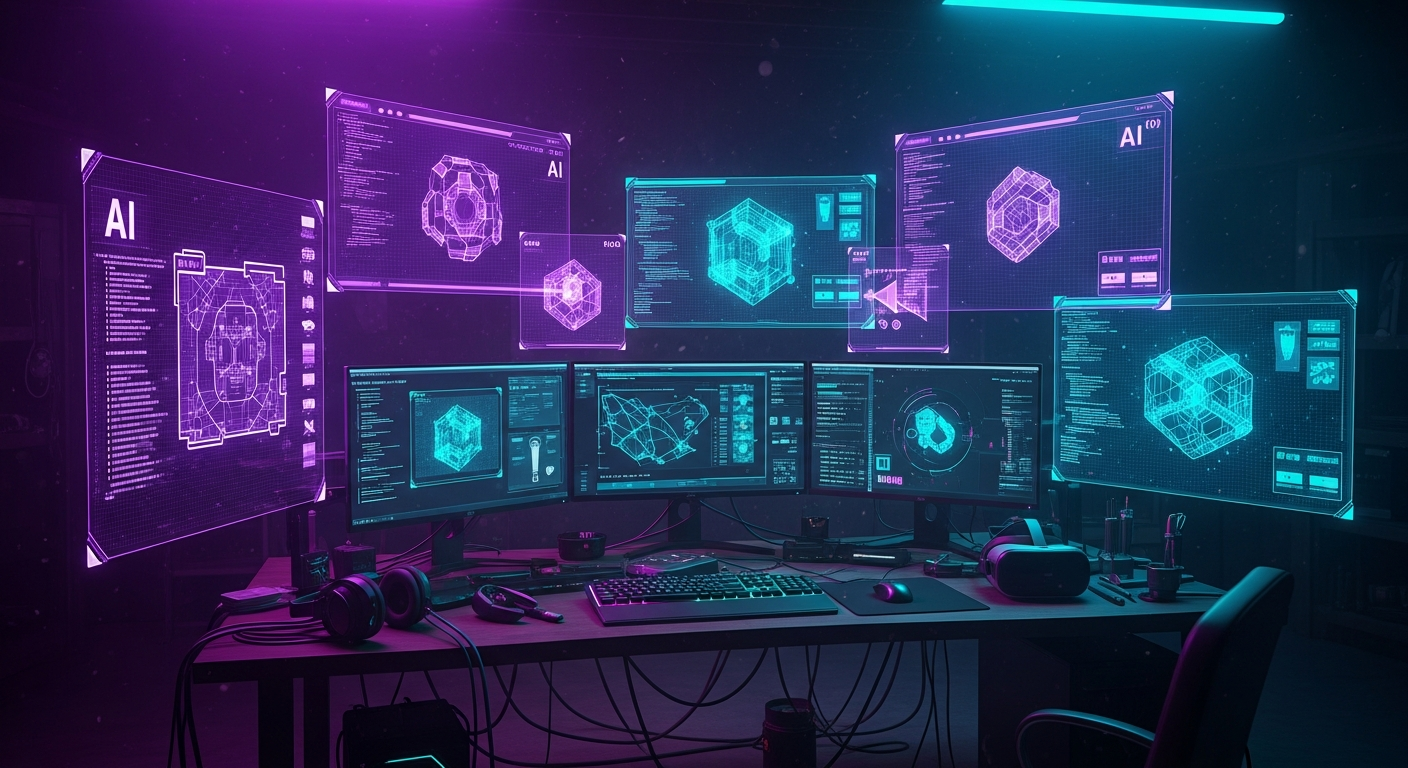
- AI tools are transforming game development, with 6 key tools leading the revolution in 2026.
- Procedural content generation AI can now create entire game levels, textures, and character animations.
- NVIDIA’s ACE platform and Unreal Engine’s MetaHuman tools are the most widely adopted AI game development systems.
- AI-assisted development can reduce game production time by up to 40 percent according to industry reports.
- Small indie studios are benefiting most from AI tools, enabling them to compete with larger AAA studios.
Building Gaming Infrastructure or Console-Agnostic Experiences?
Our team builds across PlayStation, Xbox, Switch, and emerging platforms. Talk to our gaming engineers about your next project.
Sources: Official PlayStation | Wikipedia: PlayStation 6 | IGN: PlayStation 6 | Nexus Mods
Limitations to Consider
Every game and platform has tradeoffs. Performance varies by hardware configuration, online features require stable internet connections, and not all titles support cross-platform play. Prices are subject to change and regional differences may apply. Always check system requirements before purchasing, and consider that sale prices during Steam events can save 30 to 70 percent on most titles.
You might also like: how to mod games, best Steam games under $10
Frequently Asked Questions
Q1: What AI tools are used in game development in 2026
Six key AI tools are transforming game development in 2026: Unreal Engine’s MetaHuman Animator for realistic character animation, NVIDIA’s ACE for NPC dialogue generation, Unity Sentis for in-game AI inference, procedural content generation tools for automatic level creation, AI-assisted texture generators for rapid asset creation, and AI-driven testing bots for quality assurance. These tools reduce development time for certain tasks by up to 60 percent according to Unity’s 2025 developer survey.
Q2: Can AI actually create game content
Yes, procedural content generation AI can now create entire game levels, textures, and character animations with minimal human input. NVIDIA’s ACE platform enables NPCs to generate dynamic dialogue and respond to player voice input in real time. However, AI-generated content still requires human oversight for quality control, narrative coherence, and creative direction. Most studios use AI as a productivity multiplier rather than a replacement for human designers.
Q3: How are indie developers using AI
Indie developers are adopting AI tools faster than AAA studios because of cost savings and accessibility. AI-assisted asset generation allows solo developers to create games with production values previously reserved for teams of 20 or more. Tools like ChatGPT integration for dialogue, Midjourney for concept art, and AI voice acting services have lowered the barrier to entry. The number of indie games using AI tools doubled in 2025 according to GDC’s State of the Industry report.
Q4: Will AI replace game developers
AI is unlikely to replace game developers entirely. Instead, AI tools shift developer focus from repetitive tasks to higher-level creative decisions. Character artists spend less time on texture painting and more time on design direction. Level designers use AI-generated layouts as starting points rather than building from scratch. The game development workforce is expected to grow, not shrink, but the skills required are changing.
Q5: What are the ethical concerns with AI in gaming
The main ethical concerns include copyright issues around AI training data, potential job displacement for artists and voice actors, and the risk of AI-generated content flooding game stores with low-quality titles. Unity and Epic Games have implemented AI content policies requiring disclosure. The game industry is also debating fair compensation models for artists whose work was used in AI training datasets without consent.