
What Is Permadeath in Games? Definition, Examples & Why It Matters
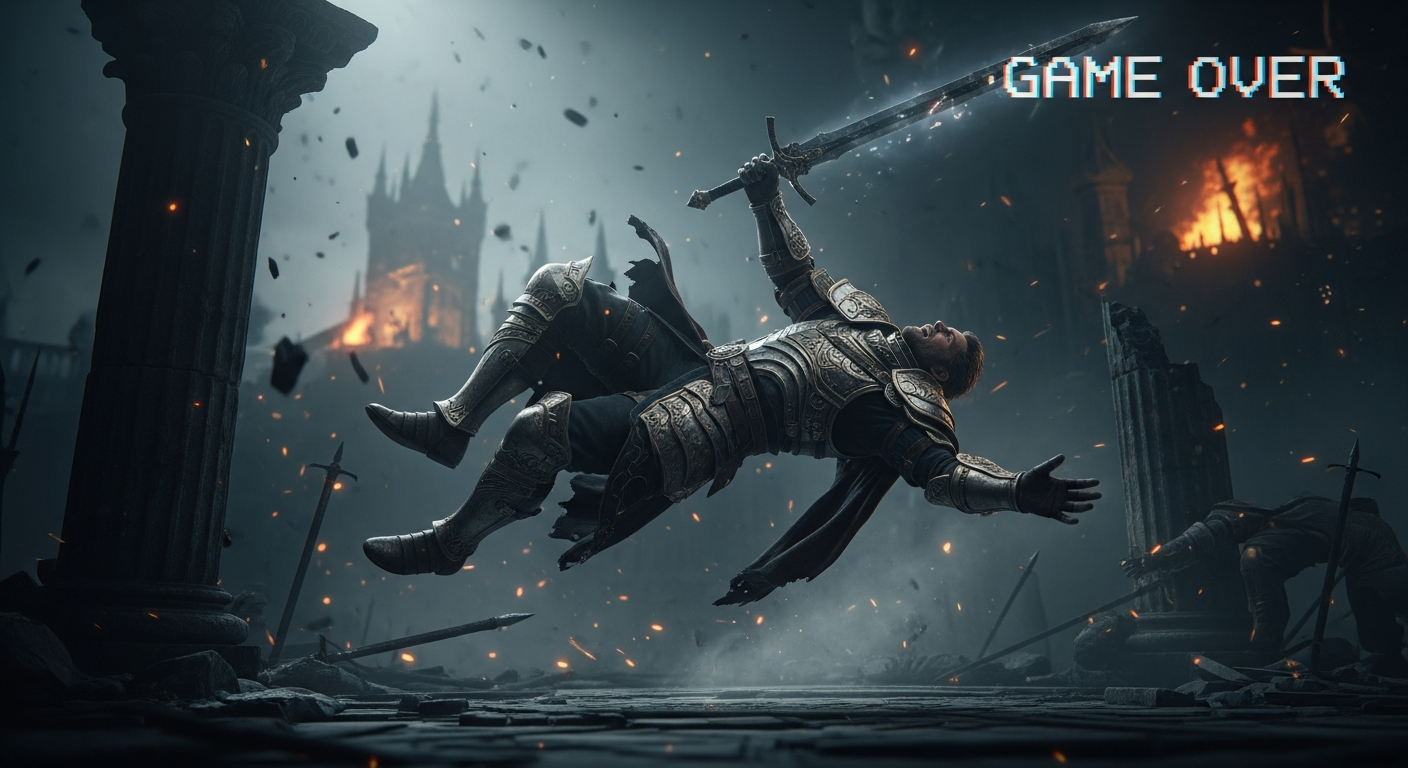
In roguelike games, over 90% of player runs end in permanent death, and most players restart within seconds. That mechanic, called permadeath, turns every decision into a high-stakes gamble.
This guide explains what permadeath means, how different games implement it, and why it keeps players coming back for more punishment.
- Permadeath means your character dies forever when health reaches zero, with no reload option.
- The mechanic originated in the 1980 game Rogue, which spawned an entire genre.
- Games like Hades, XCOM 2, and Fire Emblem use different versions of permanent death.
- Permadeath increases tension, replay value, and emotional attachment to characters.
What Is Permadeath?
What is permadeath? Permadeath (short for permanent death) is a game mechanic where a character dies forever upon losing all health. There is no respawn, no reload, and no second chance. You start over.
This mechanic forces players to treat every encounter with caution. A careless move can erase hours of progress. That tension is what makes permadeath games so intense and rewarding.
Permadeath is a core feature of roguelike games. It is also found in tactical RPGs, survival games, and strategy titles. The term comes from the 1980 game Rogue, where death meant starting the entire dungeon from scratch.
How Does Permadeath Work in Games?
Not all permadeath systems work the same way. Developers implement permanent death in different flavors depending on the genre and target audience.
Full permadeath. When your character dies, everything is lost. You restart from the beginning with a new character. This is the classic roguelike approach used in Spelunky, FTL, and the original Rogue.
Party permadeath. Individual units or party members can die permanently, but the game continues. You lose that character’s skills and progress, but the campaign carries on. XCOM and Fire Emblem use this model.
Run-based permadeath. Each run is short (30 to 60 minutes), so dying and restarting feels fast. Between runs, you unlock permanent upgrades. Hades perfected this approach.
| Game | Permadeath Type | Run Length | Persistent Progress |
|---|---|---|---|
| Hades | Run-based | 20 to 40 min | Yes (upgrades) |
| XCOM 2 | Party | Campaign | Mission progress |
| Fire Emblem | Party (Classic) | Campaign | Mission progress |
| Spelunky 2 | Full | 10 to 30 min | No |
| FTL | Full | 60 to 90 min | No |
| DayZ | Full | Hours to days | No |
Why Does Permadeath Matter for Gamers?
Permadeath changes how you play. When death is permanent, every choice carries weight.
Higher stakes. You cannot save-scum your way out of bad decisions. This makes victories feel earned and defeats feel meaningful. A 2024 survey by PC Gamer found that 62% of roguelike players cite permadeath as the main reason they play.
Emotional investment. In games like XCOM, losing a soldier you have used for 20 hours hits hard. That emotional weight creates stories you remember.
Replay value. Permadeath forces variation. Each run generates new situations, strategies, and outcomes. Games like Hades and Spelunky stay fresh for hundreds of hours because no two runs are the same.
Skill growth. You learn from every death. Permadeath games reward knowledge, planning, and adaptability over brute force.
Permadeath vs Save Scumming: What Is the Difference?
Save scumming is the opposite of permadeath. It means reloading an earlier save to undo a bad outcome.
Permadeath removes the option to reload. Your choices are final. This creates tension but can frustrate players who lose hours of progress.
Save scumming lets players retry difficult encounters until they succeed. It reduces tension but gives players more control over their experience.
Some games offer both options. Fire Emblem lets you choose Classic mode (permadeath) or Casual mode (units return after battle). This lets players pick their preferred difficulty.
The key difference: permadeath treats death as a consequence. Save scumming treats death as a setback.
Examples of Permadeath in Popular Games
Permadeath appears across many genres. Here are the most notable examples.
Hades (Supergiant Games) uses run-based permadeath. Each escape attempt from the Greek underworld ends in death or victory. Between runs, you spend resources on permanent upgrades. The game won multiple Game of the Year awards in 2020.
XCOM 2 (Firaxis Games) features party permadeath. Your soldiers can die permanently during missions. Losing a veteran soldier with 50 hours of experience creates genuine grief and memorable stories.
Fire Emblem (Intelligent Systems) made permadeath famous in tactical RPGs. In Classic mode, fallen units are gone forever. The series has offered a Casual mode since Fire Emblem Awakening (2013) for players who prefer less stress.
Spelunky 2 (Mossmouth) uses full permadeath in a platformer. One mistake sends you back to level one. The game’s procedural generation ensures each run feels different.
DayZ (Bohemia Interactive) applies permadeath to survival games. Your character, gear, and hours of progress vanish when you die. This creates intense player encounters where trust is a survival strategy.
How Permadeath Affects Game Development
Building permadeath into a game requires careful design. Developers must balance challenge, fairness, and fun.
Difficulty tuning. If permadeath is too punishing, players quit. If it is too forgiving, it loses meaning. The best permadeath games give players tools to mitigate risk without removing it.
Progression systems. Run-based games like Hades solve the restart problem with permanent upgrades. Players feel progress even when they die. This keeps them engaged through dozens of failures.
Narrative integration. Hades weaves permadeath into its story. Dying sends you back to the underworld hub, where characters react to your failures. This turns death into a narrative device, not just a punishment.
Testing and balance. Permadeath games need extensive playtesting. A single unfair death can break player trust. Developers must ensure every death feels fair, even when it is brutal.
Building a Game with Permadeath Mechanics?
Our team designs high-stakes gameplay across PlayStation, Xbox, Switch, and PC. Talk to our engineers about your next project.
Limitations
Permadeath is not for everyone. Here are the main drawbacks.
Player frustration. Losing hours of progress to a single mistake can feel unfair. Many players avoid permadeath games for this reason.
Accessibility barrier. Permadeath raises the skill floor. New players may bounce off games that punish mistakes so harshly.
Repetitive early game. In full permadeath games, replaying the same opening levels after each death gets tedious. Procedural generation helps, but cannot fully solve this.
Save file workarounds. Players can back up save files to bypass permadeath on PC. This undermines the mechanic’s integrity but is hard to prevent.
Frequently Asked Questions
Q1: What is permadeath in simple terms
Permadeath means your character dies permanently in a game. You cannot reload a save or respawn. You must start over or continue without that character.
Q2: What was the first game with permadeath
Rogue (1980) is the first major game with permadeath. When your character died, the entire dungeon reset. This inspired the roguelike genre and the term permadeath itself.
Q3: Is permadeath the same as roguelike
Permadeath is a key feature of roguelikes, but not all roguelikes use it. And permadeath exists outside roguelikes too, in tactical RPGs like Fire Emblem and survival games like DayZ.
Q4: Can you turn off permadeath
Some games offer options. Fire Emblem has Classic (permadeath) and Casual modes. XCOM 2 has an option to disable permanent death. Most pure roguelikes do not let you turn it off.
Q5: Why do people enjoy permadeath
Permadeath makes every decision matter. Victories feel earned because the stakes are real. It also increases replay value since each run creates unique stories and challenges.